How does the radiation shielding principle of lead-lined radiation protection screens work?
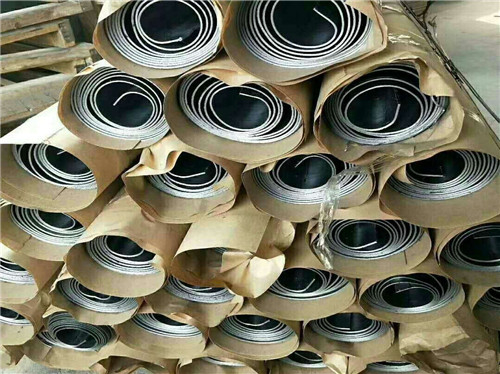
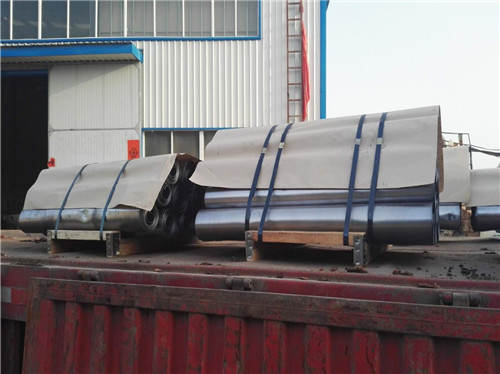
Lead-lined radiation protection screens are a highly effective type of steel primarily used as corrosion-resistant material, playing a significant role across numerous industries. They are particularly crucial in fields such as chemical engineering, biopharmaceuticals, and hospitals. Manufactured through processing and fabrication of lead, these screens offer distinct advantages and processing benefits. They have substantially advanced the chemical industry and significantly enhanced radiation protection capabilities. While radiation-proof lead screens deliver excellent performance, what specific benefits do they provide? Let’s explore together: 1. Due to their high specific gravity, radiation-shielding lead screens serve as effective counterweights in stamping factories, mobile phone manufacturing plants, machinery factories, fisheries, and chemical plants, enabling lifting and balancing functions. 2. Possessing electrolytic properties, they are utilized in electroplating facilities, as anode plates for electrolytic cells, and as materials for battery anodes. 3. The malleable nature of radiation-shielding lead screens also makes them suitable for manufacturing shock-absorbing and vibration-damping materials. 4. In chemical applications, these screens demonstrate corrosion resistance, acid/alkali tolerance, stable chemical properties, insolubility in dilute acids and sulfates, and alkali resistance. Consequently, they are widely adopted in the chemical industry. 5. Radiation-shielding lead screens also provide excellent sound insulation, making them commonly used in soundproof walls, radiation-shielding lead screens, and protective wall materials. Radiographic testing is a non-destructive testing method that utilizes the ability of radiation to penetrate materials and its attenuation within them to detect defects. Depending on the type of radiation used, it can be categorized into X-ray testing and gamma-ray testing.
Downstream procurement of radiation-shielding lead screens remains relatively cautious. It is estimated that short-term prices for radiation-shielding lead screens will consolidate at a lower level in the mainstream market. Radiation-Shielding Lead Screen Market: Prices in North China showed some easing this week. Enterprise inventories of radiation-shielding lead screens remain low, with shipment volumes showing improvement and some adjustments made. Currently, supply-side constraints persist in certain regional markets. Independent coking plants continue operating at full capacity. However, due to widespread declines in related sectors like steel and iron ore, mainstream short-term prices for radiation-shielding lead screens are projected to stabilize or decline. Optimizing radiation protection minimizes radiation exposure to the lowest reasonably achievable levels while avoiding unnecessary exposure. Selecting appropriate protection levels for radiation practices requires balancing the benefits gained from such practices against the costs and health risks incurred, aiming to achieve the greatest net benefit at the lowest possible cost.