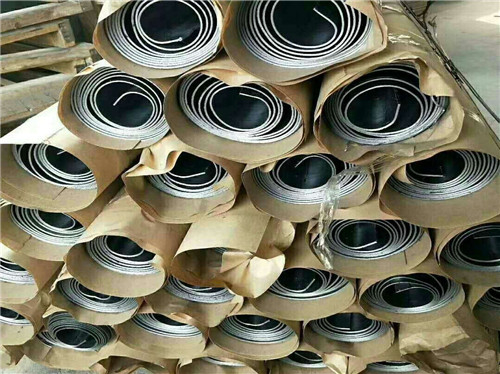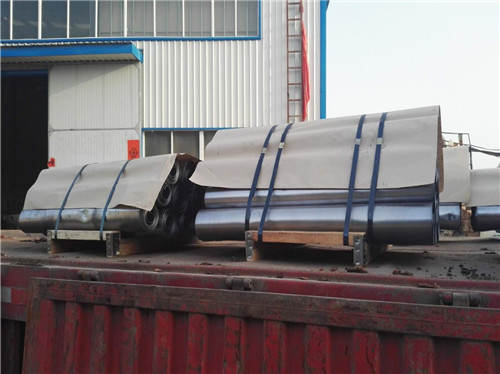
Lead door manufacturers primarily supply products for hospitals, equipment rooms, and mining areas.
- The main radiation protection measures include the following three types:
Shielding protection involves placing effective and appropriate shielding materials between the radiation source and operators or nearby personnel to reduce exposure. This method is widely applied, such as lead lining in radiographic inspection equipment, using mobile lead rooms on-site, and establishing fixed exposure rooms. Distance protection involves increasing the distance from the radiation source to prevent harm. Since radiation intensity decreases inversely with the square of the distance, this method achieves protection when shielding is unavailable or insufficient. It is particularly convenient for field radiographic testing. Time protection involves reducing the duration of operator exposure to radiation to minimize damage, as the amount of radiation absorbed by the human body is directly proportional to exposure time. When different body parts receive varying radiation doses, mild cases may be resolved through the body’s self-repair mechanisms, which repair damaged cells or expel dead cells. Severe cases can lead to infertility, suppression of hematopoietic function, or even cancer. For instance, excessive X-ray exposure to the eye lens may cause vision clouding, visual impairment, cataracts, and other ophthalmic diseases. Overdose to the gonads can result in temporary or permanent infertility. When pregnant women receive excessive radiation, it may lead to fetal malformations or death. Therefore, X-ray protection is a critical and highly significant topic.
Lead door manufacturers employ three primary radiation protection measures: Shielding protection involves placing effective, appropriately designed shielding materials between the radiation source and operators or nearby personnel to reduce exposure. This method is widely applied—examples include lead-lined bodies for radiographic inspection machines, mobile lead rooms for field use, and dedicated fixed exposure rooms. Distance protection involves increasing the distance from the radiation source to prevent harm. Since radiation intensity decreases inversely with the square of the distance, this method remains effective when shielding is unavailable or insufficient. It is particularly practical for field radiographic testing. Time protection involves reducing the duration of operator exposure to radiation to minimize damage, as the amount of radiation absorbed by the human body is directly proportional to exposure time. By dedicating a little time to careful consideration and planning, followed by decisive implementation, all work-related issues and challenges can be resolved.